Discover Castro Valley’s Best Neighborhoods for Families
Thinking about a move to Castro Valley and wondering where families are putting down roots? You are not alone. With a walkable village core, hillside homes with room to roam, and easy access to parks and transit, Castro Valley gives you options. In this guide, you will learn how different pockets compare on walkability, schools, parks, commutes, and home types so you can focus your search with confidence. Let’s dive in.
You will find a compact, walkable core along Castro Valley Boulevard with restaurants, shops, and daily services. Many families like the short trips to errands, the library, and after-school activities. Lots are smaller and streets near the corridor can be busier. If you value walkability and quick routines, this area is a strong fit.
Hilly streets, larger lots, and views define the hills. Many homes are mid-century ranch or split-level, with both original and renovated options. You get more privacy and outdoor space, but expect steeper drives and longer distances to downtown and BART. In some slope areas, wildfire risk is higher, so plan to review official maps and mitigation steps.
These are classic suburban neighborhoods with parks and established schools nearby. Access to commuter corridors is straightforward, which helps if you split time between driving and transit. Traffic can pick up during commute hours since you are closer to major roads. For many, it balances family-friendly streets with practical commuting.
If weekend hiking, fishing, and picnics top your list, this pocket puts you close to East Bay Regional Park District sites. You will see a mix of hillside and flatter parcels, along with quiet streets tied to open space. Some homes are farther from the commercial core and transit. For an outdoor-forward lifestyle, this area stands out.
Flatter streets and more compact lots sit near the Hayward and San Leandro borders. You are close to regional highways, which can shorten certain commutes. These areas can be more price-competitive than the hills and have fewer view lots. If you want straightforward access to job centers, the flats are worth a look.
Most of Castro Valley is served by Castro Valley Unified School District. Because boundaries and enrollment policies change, confirm any specific address on the district website. For academic and equity indicators, review the California Department of Education’s School Dashboard. Many parents also weigh before and after-school care, arts and language programs, and extracurricular options when comparing schools.
Childcare and preschool options exist across Castro Valley, but availability can be tight. Start early and ask about waitlists. The Alameda County Library’s Castro Valley branch hosts children’s programs and storytimes that help families plug into the community. Explore offerings through the Alameda County Library.
Castro Valley families enjoy quick access to Lake Chabot, Cull Canyon, and Don Castro Regional Recreation Area for trails, fishing, swimming, and picnics. If nearby nature is a priority, focus on the Lake Chabot and Don Castro pockets. Learn more about amenities and maps from the East Bay Regional Park District.
Castro Valley has a BART station on the Dublin/Pleasanton line that connects to Oakland and San Francisco with transfers as needed. Local AC Transit bus routes link neighborhoods with BART and nearby cities. Driving access to I-580 and connectors to I-880 shapes commute times across the area.
Practical tips:
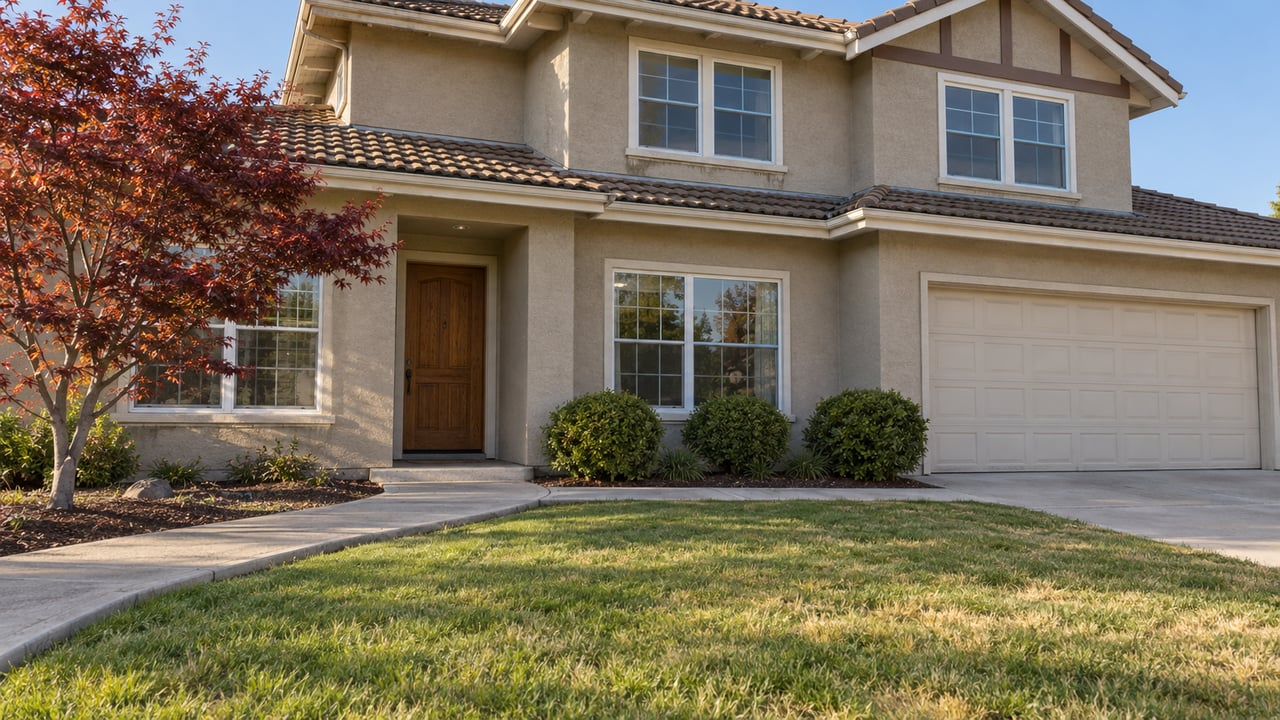
Most homes in Castro Valley are single-family ranch or mid-century styles, with many built between the 1940s and 1970s. You will find updated homes as well as properties ready for renovation. Hillside lots tend to be larger and more irregular; village and flats typically have smaller suburban lots. Homes near parks, larger lots, and certain school boundaries can command premiums depending on market conditions.
Inspection and risk checks matter, especially in the hills. Review wildfire hazard maps through CalFire, and check flood designations with the FEMA Flood Map Service Center. On hillside parcels, ask about drainage, retaining walls, and any geotechnical reports.
The pattern is clear: families choose based on lifestyle fit. You might prioritize the walkable village to simplify errands and activities. You might opt for the hills to gain yard space and privacy. If you want daily access to trails and lakes, the Lake Chabot and Don Castro area shines. For the most straightforward commute, Crow Canyon and the flats near regional highways make sense. There is no one right answer. Your best location depends on what you value most day to day.
Ready to match your priorities to the right Castro Valley pocket? Reach out to Evolve Real Estate for local guidance, neighborhood tours, and a clear plan from first look to keys in hand.
Stay up to date on the latest real estate trends.
You’ve got questions and we can’t wait to answer them.