Palomares Hills Neighborhood Guide For Homebuyers
If you want a Castro Valley home with resort-style amenities, Palomares Hills belongs on your shortlist. You may be weighing commute needs, HOA rules, and whether a view lot is worth the premium. In this guide, you’ll learn how the neighborhood is laid out, what homes typically look like, what HOA dues really cover, and where current prices are landing. You’ll also get a practical buyer checklist to help you move forward with confidence. Let’s dive in.
Palomares Hills spans the eastern and southeastern hills of Castro Valley, near Cull Canyon and Lake Chabot. You are a few miles from central Castro Valley and roughly 3 to 5 miles from the Castro Valley BART station, with commute access via I‑580. The hillside setting gives many streets a quiet, residential feel with pocket parks and trail connections.
You have a neighborhood public park at Palomares Hills Park on Villareal Drive. It is a go-to spot for picnics, play areas, and casual recreation. You can explore park details on the Hayward Area Recreation and Park District’s page for Palomares Hills Park. For longer outings, residents use Cull Canyon and Lake Chabot for hiking, biking, and boating.
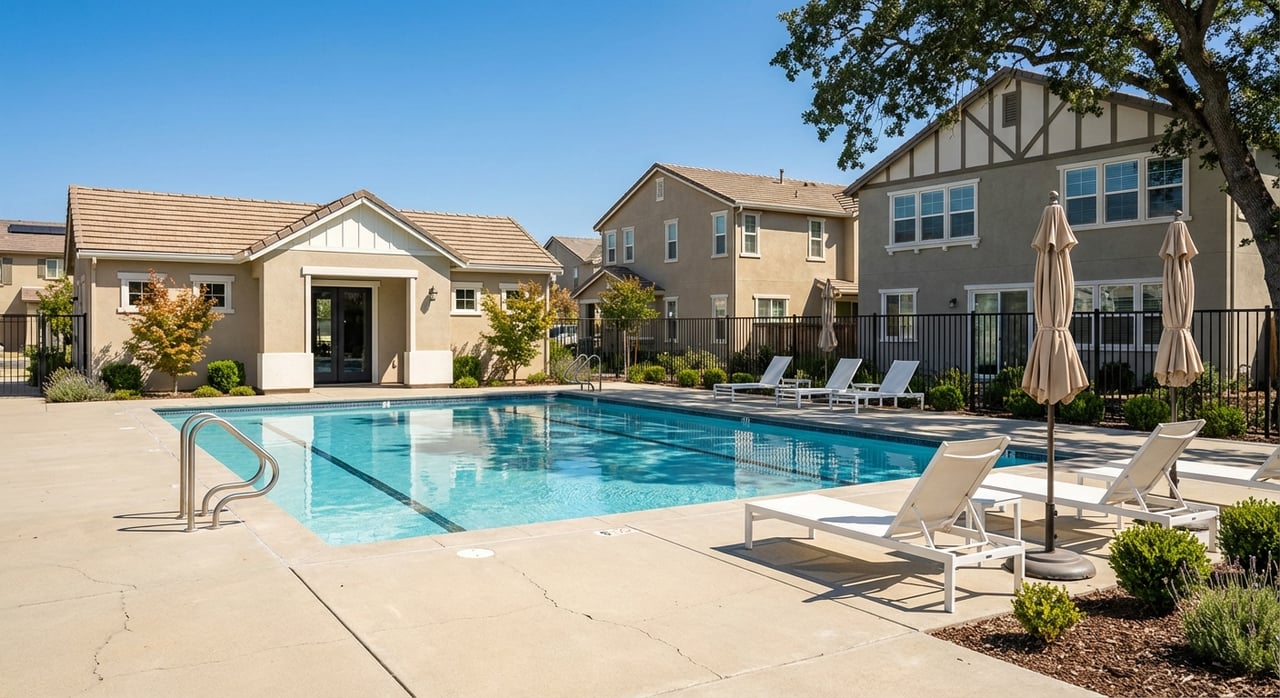
The primary community clubhouse and recreation center sits near the heart of the neighborhood at 6811 Villareal Drive, often described as the hub for pools, courts, and resident programs. You can find a basic listing for the Palomares Hills Clubhouse for general location context.
Palomares Hills is a master-planned community made up of multiple tracts and sub-associations. Examples recorded in public HOA registries include “Laurelwood at Palomares Hills” and “Village II‑A of the Community of Palomares Hills.” Each sub-association manages its own CC&Rs, rules, and dues. Many owners share the same community clubhouse and amenity footprint, but on-the-ground access can differ.
What this means for you: buyers should expect different rules and monthly fees from one street to the next, and townhomes often have higher dues than detached homes because more exterior maintenance is covered. Always verify the exact sub-association for the address you are considering.
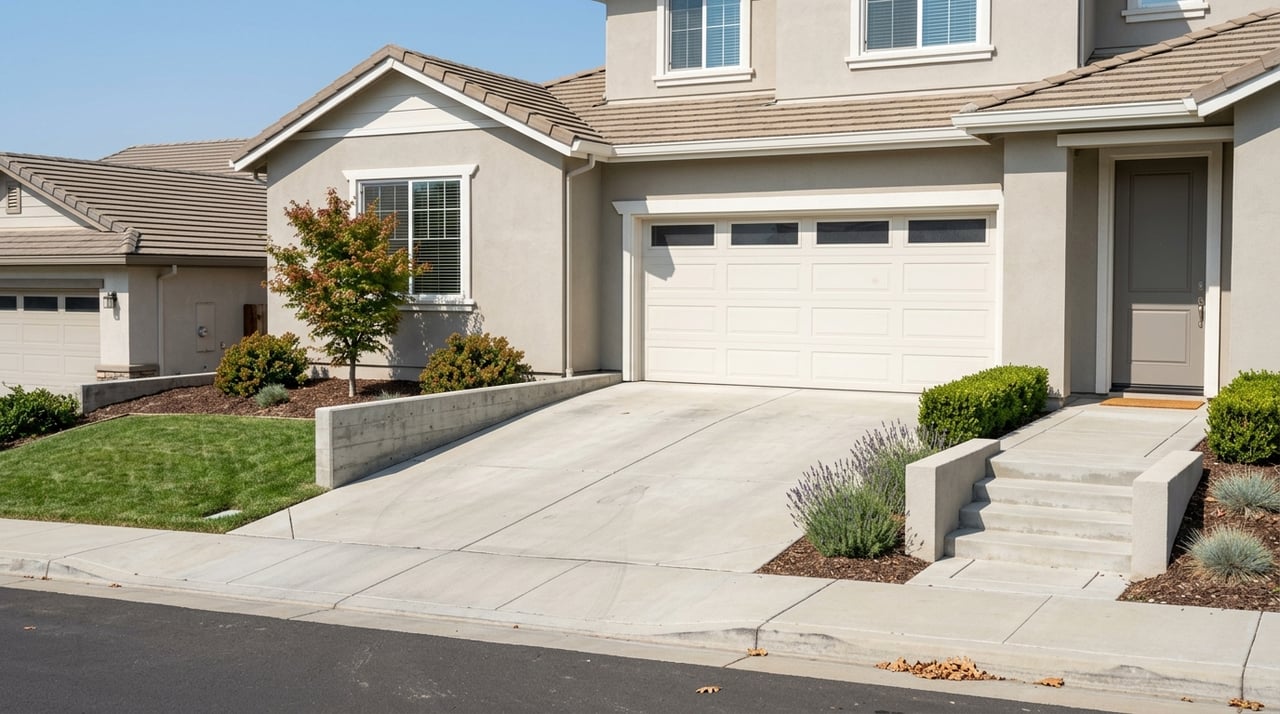
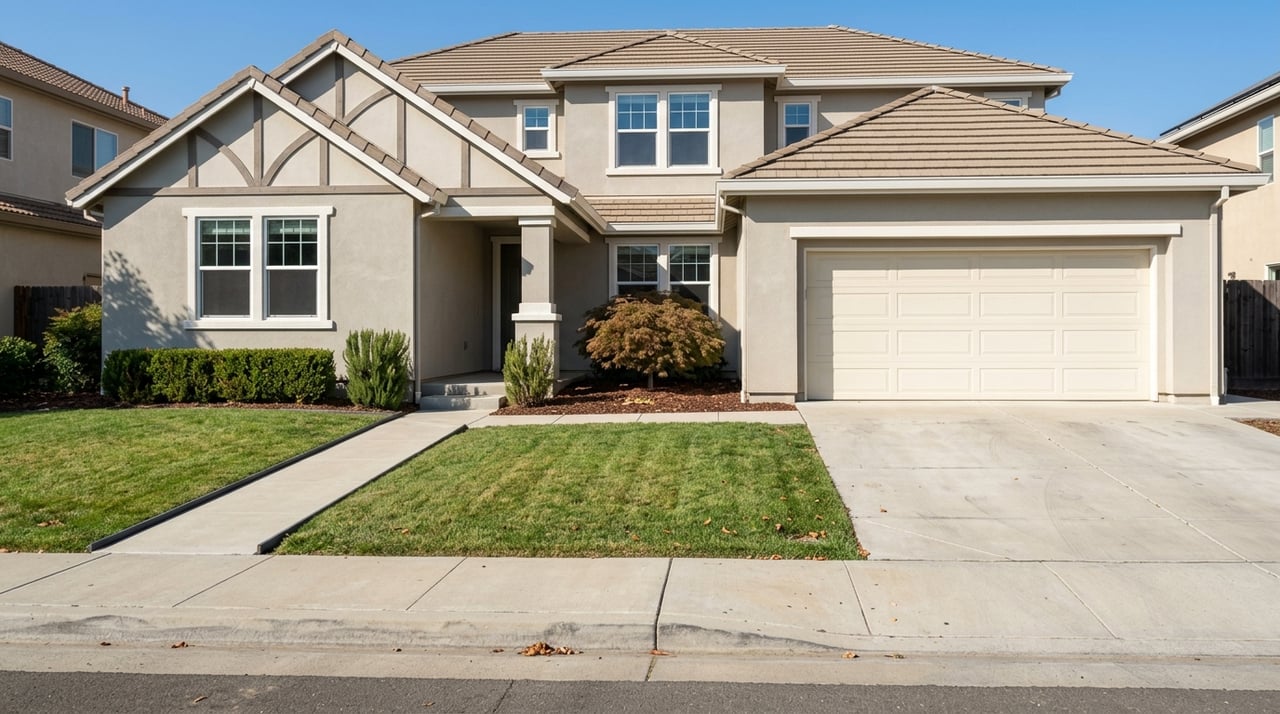
Most properties were built from the mid‑1980s through the 1990s and early 2000s. Architecture tends to be contemporary and Mediterranean revival, with stucco exteriors, tile roofs, and both one- and two-story layouts. Streets are planned with curb appeal in mind, and you will see clusters of townhomes mixed with detached homes.
These ranges come from recent public listings and neighborhood summaries and reflect what buyers most often find across the tracts.
Upper ridgelines and cul-de-sacs are where you will find many of the view homes. Streets such as Lyndon Loop, Boone, and Greenwood appear often in view-home listings. These properties can capture bay, canyon, or bridge views and tend to command the neighborhood’s highest prices.
Across Palomares Hills, listings frequently highlight:
Access specifics can vary by sub-association, so confirm which pools or courts your address is entitled to use.
Monthly HOA dues vary widely in Palomares Hills. Public listing data shows examples around 70 to 80 dollars per month on the low end for some detached homes, and several hundred dollars per month for other tracts, especially townhome communities. Samples seen in recent listings include figures around 76 dollars, 410 to 530 dollars, 516 dollars, and 649 dollars. The variation reflects different budgets and covered services. Do not assume one home’s HOA fee applies to the next street over.
Because Palomares Hills includes multiple sub-associations, request these items early in escrow or before removing contingencies:
You can look up association names and some contacts in the California HOA registries, such as the listing for Palomares Hills tracts on California-HOA.com.
Aggregators can report different median prices depending on the time window and sample size. A recent Redfin snapshot showed a median sale price around 1.14 million dollars with a median sale price per square foot near 568 dollars. Homes.com data over a broader 12‑month window showed a higher median near 1.436 million dollars. These figures can diverge, so treat them as directional. For precise pricing, use the most recent local MLS sold comps on the same street or within the same sub-association.
Your exact value will depend on home size, condition, lot position, view quality, and sub-association. If a view is a priority, expect to pay at the upper end of the range.
If you want quick access to trails and open space, Palomares Hills delivers. The neighborhood’s hillside setting puts you close to Cull Canyon and Lake Chabot for hiking and weekend picnics. For a local spot, see the HARPD page for Palomares Hills Park.
Palomares Hills is served by the Castro Valley Unified School District. Nearby public campuses commonly cited for the area include Jensen Ranch Elementary, Canyon Middle, and Castro Valley High. Attendance boundaries can change over time, so contact the district to confirm which schools serve a specific address before you buy.
Palomares Hills sits in a hillside urban–wildland interface, where wildfire preparedness is part of local planning. Alameda County has invested in replacing and upgrading fire stations in unincorporated areas through Measure X, which includes a replacement plan for Station 7 near the Palomares Hills area. Review defensible-space requirements and recent mitigation work for any property you consider. You can learn more about Measure X projects on the Alameda County Fire Department site.
Both Palomares Hills and Five Canyons are planned communities with recreation centers and trail access. Five Canyons features development phases that are generally newer and more spread out in some areas. Your choice may come down to micro-location, housing style preferences, and sub-association details.
If you want more walkable retail and closer transit, Castro Village and the downtown area provide easier access to restaurants and BART. Palomares Hills emphasizes HOA amenities, pools, courts, and a quiet hillside environment. It is a lifestyle tradeoff between amenity-rich hillside living and day-to-day walkability.
Stonebrae is a higher-end, gated, golf-oriented community that usually sits at higher price points and HOA fees. If you want country-club amenities at a premium, you may compare Stonebrae to the top view homes in Palomares Hills.
Use this quick checklist to keep your search focused and thorough:
If Palomares Hills checks your boxes, let’s make your search efficient and low stress. Our team pairs neighborhood-level expertise with proven negotiation to help you secure the right home and the right terms. Ready to tour, compare sub-associations, and price a smart offer? Connect with Evolve Real Estate to get started.
Stay up to date on the latest real estate trends.
You’ve got questions and we can’t wait to answer them.