Selling a Home in Castro Valley With a Smarter Pricing Plan
If you are thinking about selling in Castro Valley, one truth matters right away: the right price and the right prep go hand in hand. You want a strong sale price, a smooth process, and a plan that does not waste time or money. In a market where buyers are still paying close to or above asking in many cases, small strategic choices can make a big difference. Let’s dive in.
Castro Valley remains a competitive market, but that does not mean every home should be priced the same way. Realtor.com reported a median listing price of $1.015 million in April 2026, with 96 homes for sale, a median 26 days on market, and a 102% sale-to-list ratio. Redfin also showed strong competition, with a median sale price of $1.149 million, about 12 days on market, and an average of 6 offers.
The exact numbers vary by source and time frame, but the message is consistent. Buyers are active, well-priced homes can move quickly, and sellers still have an opportunity to attract multiple offers. At the same time, mortgage rates matter, and Freddie Mac reported the 30-year fixed rate at 6.53% as of May 28, 2026, which means buyers may be more sensitive to monthly payment and perceived value.
One of the biggest mistakes sellers make is relying too much on a town-wide average. Castro Valley is an unincorporated area within Alameda County, and it includes a range of sub-areas, from more central neighborhoods to hillside and canyon-adjacent locations. Because of that, pricing can shift meaningfully from one area to another.
Realtor.com submarket data shows a wide spread, from about $838,000 in South of 580 to about $1.1935 million in Castro Valley Hills. Median days on market also vary across those subareas, ranging from 27 to 43 days. That is a big enough difference that broad East Bay or even county-wide numbers can be misleading for your specific home.
Your list price should reflect what buyers are likely to compare your home against right now, not what they paid for a similar home six months ago in another part of town. In Castro Valley, nearby comparable sales often tell a clearer story than a general median price. A central neighborhood listing may attract a different buyer pool than a hillside property, even if the homes are similar in size.
That is why pricing should start with the nearest relevant comps and then adjust for condition, lot use, updates, parking, and location details. A turnkey home and a home that needs visible work should not follow the same strategy. Buyers notice the difference immediately, and they price that difference into their offers.
Alameda County planning documents note that Castro Valley neighborhoods were developed over several decades, largely from the early 1950s to the late 1990s. The area includes both established central neighborhoods and hillside or canyonland settings. In practical terms, buyers often judge value based on more than square footage alone.
Features that may influence pricing include:
If your home has a setting or layout that stands out, that should be reflected in the pricing discussion. If it has deferred maintenance or dated finishes, that should be accounted for early rather than discovered through buyer feedback.
Most sellers do not need a full remodel before listing. In fact, the best return often comes from visible, low-friction improvements that help buyers feel the home is clean, cared for, and move-in ready. The goal is to remove distractions and increase confidence.
The National Association of Realtors reported in its 2025 home staging profile that 29% of seller agents saw staging increase the dollar value offered by 1% to 10%. It also found that 49% said staging reduced time on market, while 51% recommended decluttering or correcting property faults even when a home was not fully staged.
Before you spend on major upgrades, focus on the items buyers will notice first. These are often the improvements that make the strongest first impression online and in person.
Start with:
NAR’s 2025 Remodeling Impact Report found that painting the entire home, painting a single interior room, and replacing roofing were among the prep projects agents most often recommend before listing. That does not mean every seller should do all of them. It means practical, visible improvements often carry more weight than expensive projects with a longer payoff timeline.
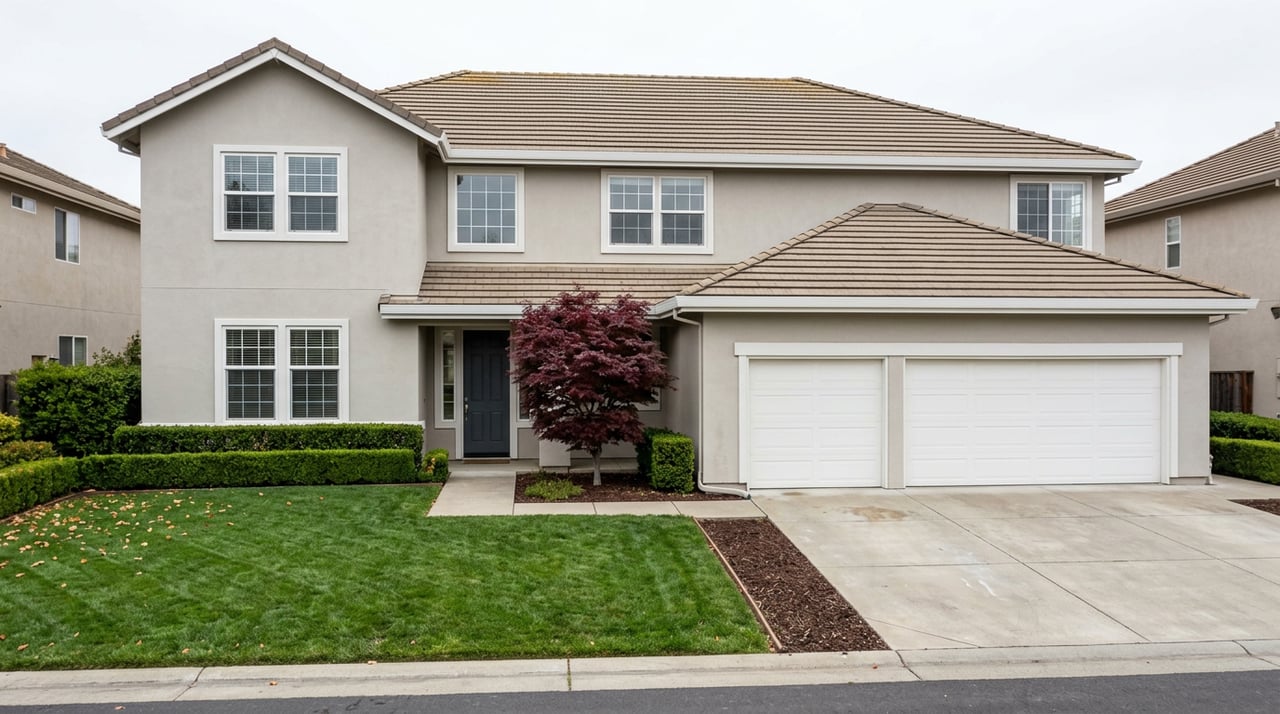
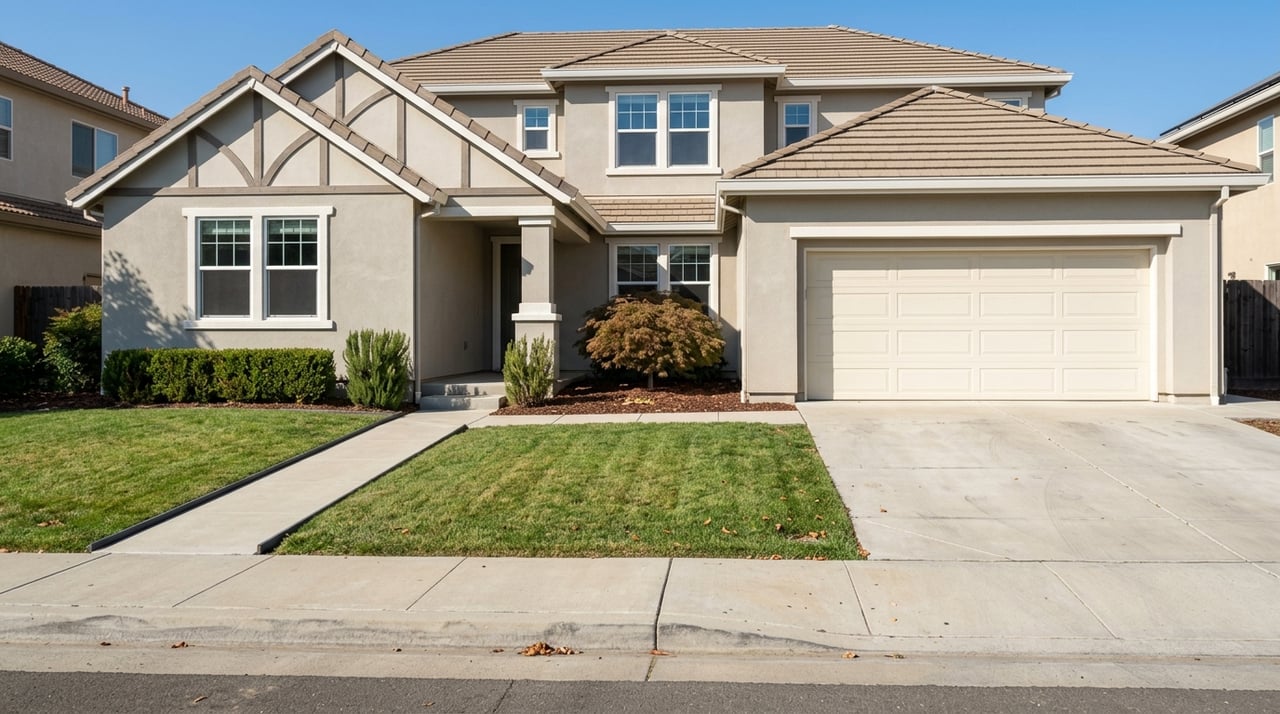
Your exterior is the first thing buyers see, both in listing photos and when they arrive. If the outside feels neglected, buyers may assume the interior has similar issues. That can affect both showing activity and offer strength.
NAR’s curb-appeal research found that 92% of REALTORS recommend improving curb appeal before listing, and 97% believe curb appeal is important to attracting a buyer. In Castro Valley, where many homes benefit from hills, greenery, and outdoor space, simple exterior prep can go a long way.
You do not need an elaborate landscape redesign to improve your exterior presentation. Often, the best results come from straightforward maintenance and cleanup.
Consider:
These details help buyers feel that the home has been maintained. That sense of care can support stronger pricing and smoother negotiations.
Many sellers hear the word staging and assume it means a full-house redesign. In reality, staging can be as simple as improving furniture placement, removing extra items, and helping key rooms feel open and functional. You do not always need to stage every space to make the home show well.
The larger point is presentation. Buyers respond to homes that feel bright, clean, and easy to imagine living in. Even light staging or strategic decluttering can improve how your listing photographs and how it feels during showings.
If you are deciding where to spend your time and money, focus on the spaces that shape first impressions most strongly.
Prioritize:
These rooms often carry the emotional weight of the showing. If they look clean, spacious, and well cared for, buyers are more likely to overlook minor imperfections elsewhere.
Castro Valley sellers should also think beyond appearance. Paperwork matters, especially for older homes or properties with additions, remodels, roof work, electrical upgrades, or other major changes. Buyers may ask for permit history, and it helps to gather that information early.
Alameda County’s Permit Portal allows owners to search and request historical building permit files for unincorporated properties, including Castro Valley. This can be especially useful before listing if your home has had work done over the years. Having records ready can reduce surprises and help your sale move more smoothly.
California requires seller disclosures, and the Transfer Disclosure Statement is a disclosure of condition, not a warranty. The California Department of Real Estate also states that sellers and their agents must disclose material facts known to them that affect value or desirability. That is one reason it is smart to review known issues early instead of reacting to them later.
For hillside or canyon-adjacent properties, buyers may also have questions about natural hazards. California’s Natural Hazard Disclosure form covers mapped flood, fire, fault, and related hazard zones. If your property falls into one of those categories, buyers will want clear documentation and context.
A strong list price is important, but your bottom line depends on more than the final sale number. Closing costs, transfer taxes, repair credits, and listing agreement terms all affect what you actually walk away with. That is why smart sellers look at net proceeds, not just headline price.
In Alameda County, the documentary transfer tax rate is $0.55 per $500 or fractional part over $100 of value. On a $1.1 million sale, that works out to about $1,210 before other closing costs. California’s Department of Real Estate also notes that broker compensation is not fixed by law and may be negotiable, so it is worth reviewing how your listing agreement affects your estimated net.
Instead of asking only, “What is the highest number I can list at?” ask, “What pricing and prep strategy gives me the best chance at the strongest net result?” In a competitive market, overpricing can slow momentum and reduce leverage. A sharp launch with the right presentation can create stronger buyer interest early, when your listing is freshest.
That is where local strategy matters. In Castro Valley, pricing should reflect your exact submarket, your home’s condition, and what buyers are responding to right now.
Selling a home is a big life moment, and you deserve a plan that balances market data, smart preparation, and clear communication. If you are thinking about selling in Castro Valley, Evolve Real Estate can help you build a pricing and prep strategy designed around your home, your timeline, and your goals.
Stay up to date on the latest real estate trends.
You’ve got questions and we can’t wait to answer them.