Hayward Starter Homes Guide for Your First Home Purchase
Buying your first home in the East Bay can feel like a moving target, especially when prices, competition, and monthly costs all pull in different directions. If you are looking at Hayward, you are probably trying to find that balance between affordability, commute access, and a home you can grow into. The good news is that Hayward can offer a more approachable entry point than some other parts of Alameda County, but it still rewards buyers who come in prepared. Let’s dive in.
Hayward stands out because it can offer a lower price point than the broader Alameda County market. For the three months ending May 2026, Redfin reported Hayward’s median sale price at $884,471, compared with about $1.1 million for Alameda County overall. That gap helps explain why many first-time buyers keep Hayward on their shortlist.
Location is another big part of the draw. The city offers access to I-880, I-580, Highway 92, and Route 238/Mission Blvd., along with two BART stations and Capitol Corridor service near Meekland Avenue. If your work, family, or daily routine takes you across the East Bay or beyond, that access can be just as important as the list price.
First-time buyers in Hayward are often comparing two main paths: attached homes such as condos and townhomes, or detached single-family homes. Each comes with very different tradeoffs in price, pace, and monthly costs.
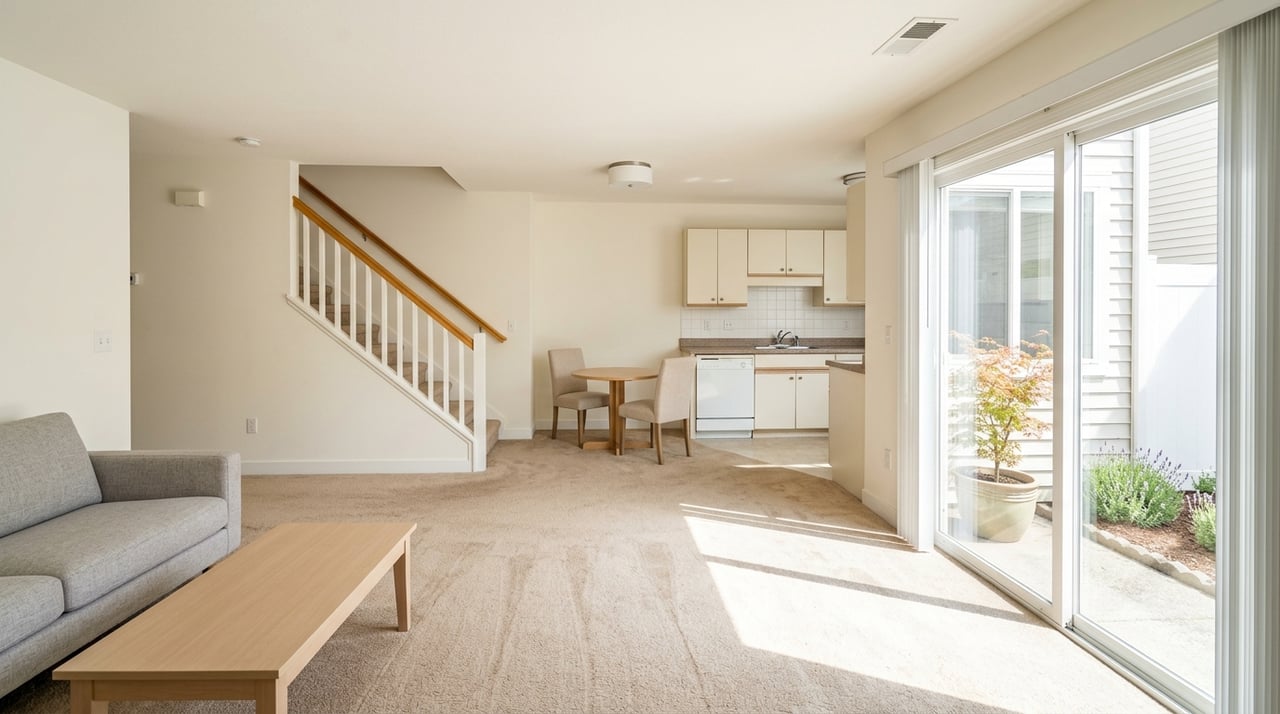
For many buyers, attached homes are the most realistic starting point. Bay East’s May 2026 data shows a median sale price of $605,000 for Hayward condos and townhomes, which is well below the detached-home median. If you are trying to stay within a set monthly budget, that lower entry price can open more options.
At the same time, attached homes usually come with HOA dues and community rules. HOA fees are typically separate from your mortgage payment, and they can add a meaningful amount to your monthly housing cost. That means the lower purchase price does not always translate into the lowest all-in payment.
The market pace for attached homes can also be a little slower. Bay East reported about 3.9 months of inventory and 62 days on market for attached homes in May 2026. Compared with detached homes, that may give you a bit more breathing room to evaluate options carefully.
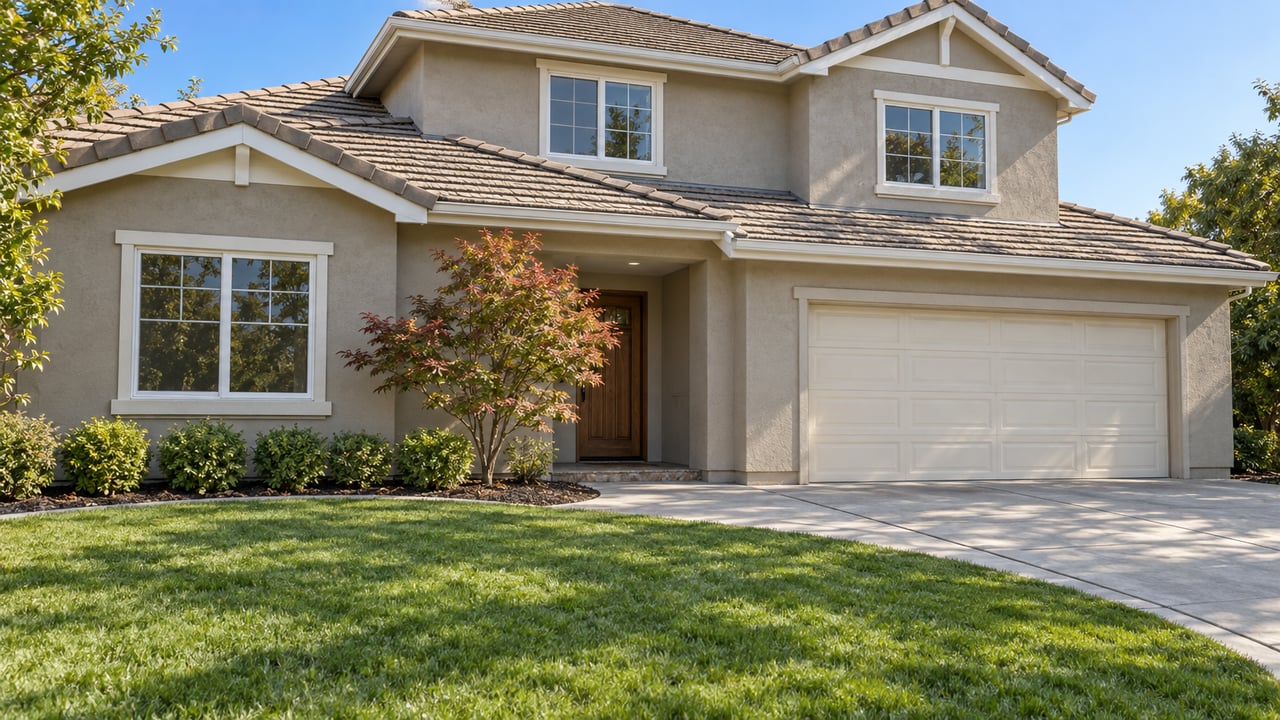
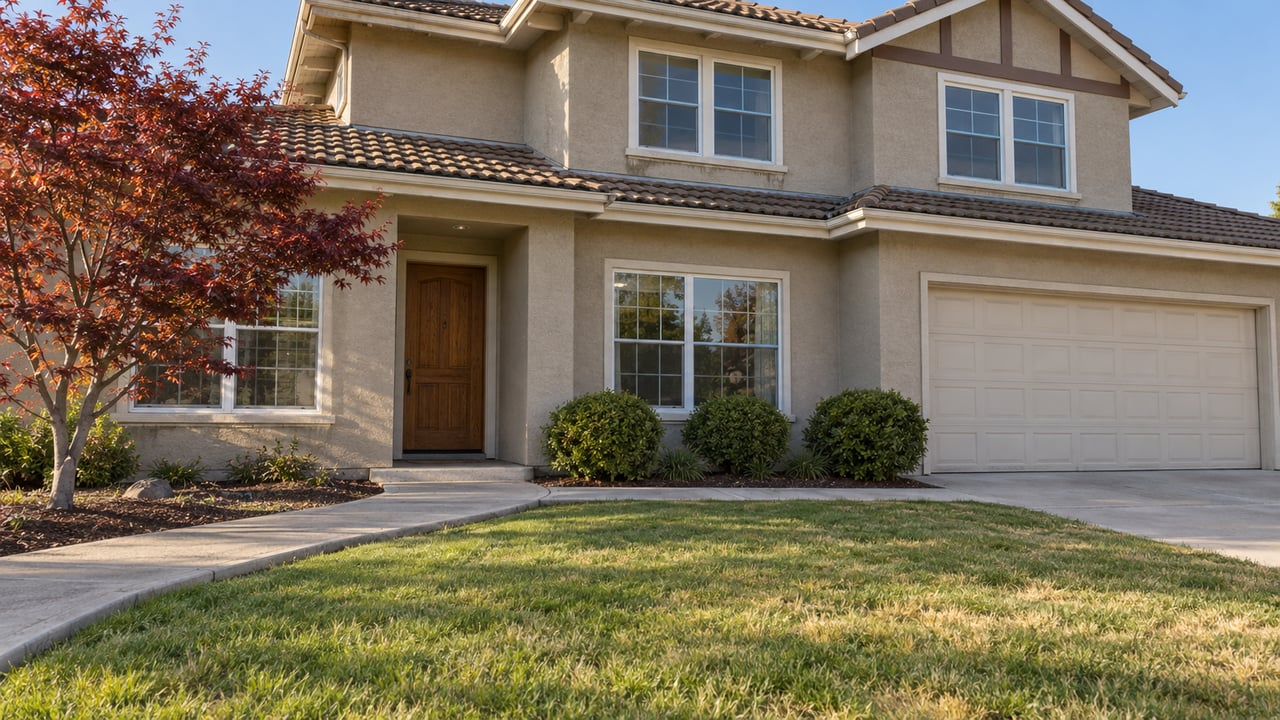
If you want more private outdoor space, fewer shared walls, or more flexibility over the property, a detached home may be your goal. But in Hayward, that step up usually comes with a much higher price point. Bay East reported a May 2026 median sale price of $960,000 for detached homes.
Detached homes also tend to move faster. In the same report, detached homes averaged 23 days on market, and buyers paid 104% of list price on average. Redfin also noted that many Hayward homes receive multiple offers, so even a so-called starter home can still be highly competitive.
A big part of the Hayward buying experience is the age of the housing inventory. City planning data indicates that only about 10% of housing units were built in 2000 or later. In practical terms, that means many first-time buyers will be looking at older condos, townhomes, and detached homes rather than brand-new construction.
Older homes can offer value, character, and established locations, but they also deserve closer review. You will want to think beyond the price tag and factor in maintenance, repairs, utilities, property taxes, insurance, and, when applicable, HOA fees. A home that looks affordable up front can feel very different once the full monthly picture comes into focus.
If you are buying a condo or townhome in Hayward, HOA diligence is one of the most important parts of the process. Under California Civil Code 4525, sellers in a common-interest development must provide key documents before transfer or contract execution. These include governing documents, current fees and special assessments, rental restrictions if any, and the latest inspection report, along with board minutes on request.
This is not paperwork to skim. You should review the CC&Rs, bylaws, budget, assessments, and common-area rules carefully so you understand both the financial obligations and the day-to-day rules of the community. For a first-time buyer, that review can help prevent surprises after closing.
When you review an attached home, keep your focus on the items that affect your budget and flexibility most:
These questions can help you compare two homes that may look similar on the surface but carry very different long-term costs.
One of the biggest first-time buyer mistakes is focusing too narrowly on the purchase price. Your real budget should include principal, interest, property taxes, homeowners insurance, utilities, maintenance, and any HOA fees. Looking at the full monthly number gives you a much better sense of what homeownership will actually feel like after move-in.
Closing costs matter too. Consumer guidance commonly places them in the 2% to 5% range of the purchase price, which can be a significant amount in the East Bay. If you are putting down less than 20%, mortgage insurance may also be part of the equation.
Some loan programs allow lower down payments, including conventional loans with as little as 3% down and FHA loans with as little as 3.5% down. Even so, it is wise to plan for a cash cushion after closing so you are not stretched too thin by repairs, moving expenses, or normal life events.
In a market where homes often receive multiple offers, preparation matters. A preapproval letter helps show sellers that you are serious and financially ready to move forward. It is not a guaranteed loan offer, and it can expire in roughly 30 to 60 days, so timing matters.
Getting preapproved before you shop in earnest can help you move faster when the right home appears. It also gives you a clearer budget, which can keep you from spending time on homes that do not align with your full monthly comfort zone.
Before you start touring homes, it helps to have a simple plan:
This kind of preparation can reduce stress and help you make clearer decisions when things move quickly.
Hayward is not one uniform market, and that matters when you are buying your first home. Commute access, transit options, home condition, and ongoing costs can vary from one part of the city to another. A home with a lower sticker price may need more repairs, carry higher HOA dues, or add time to your daily routine.
The city’s planning data also shows that housing pressure is not evenly distributed. Some areas face higher housing cost burdens, and some areas show more overcrowding than others. For a buyer, that means it is worth comparing homes with a broader lens rather than relying on price alone.
This is where local guidance can make a real difference. Instead of treating every listing the same, you can weigh how each option fits your budget, commute, and comfort with maintenance or HOA oversight.
Hayward can be a practical place to start your homeownership journey, but it is not a shortcut market. You may find better affordability here than in some nearby parts of Alameda County, especially if you are open to a condo or townhome. But affordability in Hayward often comes with tradeoffs, whether that means HOA dues, older housing stock, or stronger competition for detached homes.
The goal is not just to buy your first home. It is to buy a home that supports your life, your budget, and your next chapter with confidence. When you understand the tradeoffs clearly, you are in a much stronger position to make a smart move.
If you want help comparing Hayward starter homes, reviewing condo tradeoffs, or building a strong offer strategy, connect with Evolve Real Estate. Our team brings local East Bay knowledge, clear guidance, and thoughtful negotiation support to every step.
Stay up to date on the latest real estate trends.
You’ve got questions and we can’t wait to answer them.