Columbia, Castro Valley: Quiet Hillside Living Explained
If you are looking for a Castro Valley neighborhood that feels more tucked away than busy, Columbia is worth a closer look. Many buyers want a home base that offers a quieter residential setting without losing access to daily essentials, commute routes, and outdoor recreation. This guide explains what Columbia is, how it fits into Castro Valley, and what kind of lifestyle it may support so you can decide whether it matches your goals. Let’s dive in.
Columbia is one of Castro Valley’s hillside residential pockets. Alameda County planning materials identify Columbia as a hillside subdivision, which helps explain why the area feels distinct from the busier commercial corridors nearby.
In Castro Valley, most commercial activity is concentrated along Castro Valley Boulevard, Redwood Road, and Grove Way. That means Columbia is better understood as a residential area set apart from the main shopping and service spine, rather than a neighborhood centered on retail or mixed-use activity.
County community character materials also describe Castro Valley as a place shaped by undeveloped hillsides, canyons, mature trees, and, in some areas, streets without curbs and sidewalks. In practical terms, that broader setting gives hillside pockets like Columbia a quieter, more tucked-in feel than the boulevard core.
If you picture a neighborhood with more of a residential rhythm and less of a commercial buzz, Columbia likely fits that image. The hillside context and established street pattern tend to create a setting where homes, terrain, and natural surroundings shape the experience more than storefronts or traffic-heavy intersections.
That does not mean you are cut off from convenience. It means your day-to-day experience is more likely to start from a quieter hillside location, with errands, dining, and services reached by a short drive rather than a quick walk around the corner.
For many buyers, that tradeoff is a plus. You may gain a more settled setting and stronger sense of separation from the main corridors, while still staying connected to the rest of Castro Valley.
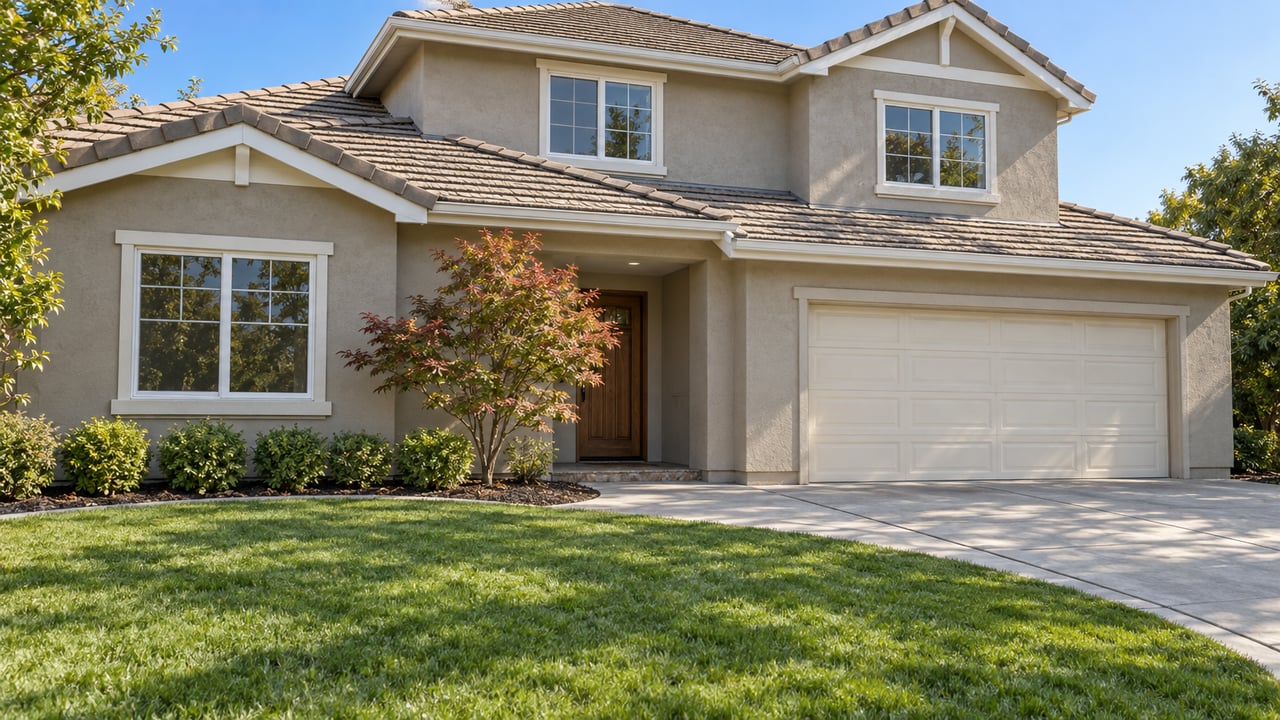
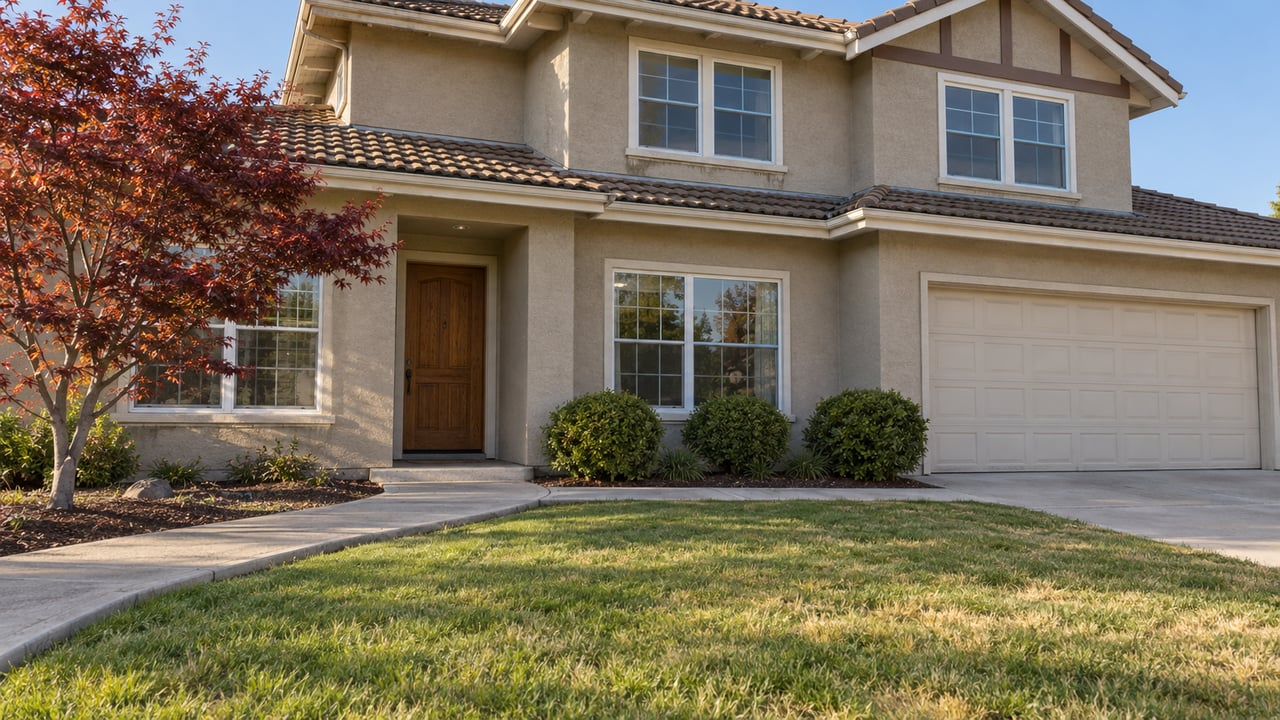
County planning materials indicate that many Castro Valley neighborhoods were built from the early 1950s through the late 1990s. They also note that larger hillside lots have been subdivided over time. Based on that pattern, Columbia is best viewed as an established detached-home area, not a dense multifamily pocket.
That established character matters if you are comparing Columbia to newer communities or more urban parts of the East Bay. In Columbia, the appeal is less about new-construction inventory and more about an existing residential setting shaped over decades.
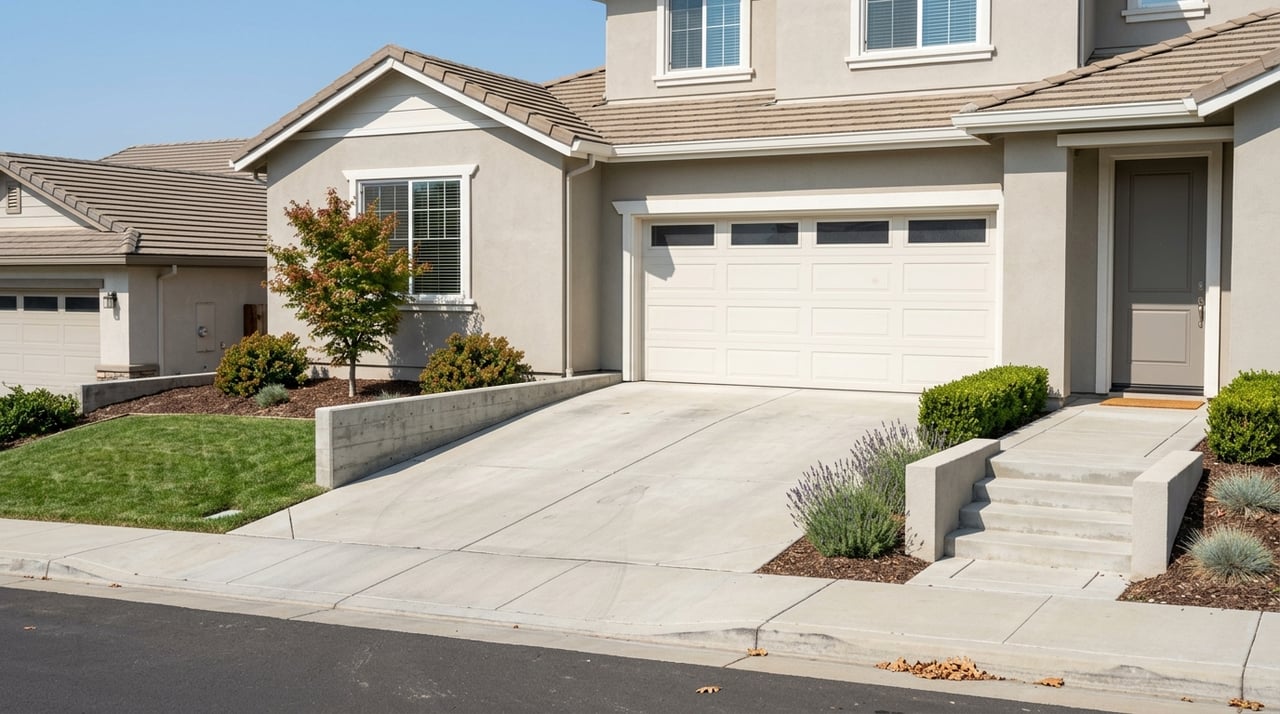
You may also notice that the neighborhood pattern reflects hillside development rather than a flat-grid layout. That can influence how streets feel, how homes sit on their lots, and how the area reads overall when you drive through.
The hillside identity is one of Columbia’s biggest defining features. Alameda County’s planning and character documents point to the role of hillsides, canyons, and mature landscaping in shaping Castro Valley’s look and feel.
For you as a buyer, that can translate into a more scenic, established atmosphere. It can also mean the neighborhood experience feels less uniform than a master-planned subdivision and more connected to the natural contours of the area.
This is often the kind of setting that attracts buyers who want a home that feels removed from the busiest stretches of town. If your priority is a calm residential environment, Columbia may align well with that goal.
One of the strongest lifestyle advantages near Columbia is access to Lake Chabot Regional Park. Located at 17600 Lake Chabot Road in Castro Valley, the park offers picnicking, fishing, boating, kayaking, and sailing.
The park is open from 5 a.m. to 10 p.m., giving you a wide window for morning outings, afternoon recreation, or evening time outdoors. Swimming is never permitted, which is useful to know if you are planning activities there.
For buyers who value open space and recreation, nearby access to a major regional park can be a meaningful part of everyday life. Whether you enjoy spending weekends outside or simply like having nature close by, this is a notable benefit of the broader area.
Columbia is better described as a hillside residential commute area than a transit-centered district. Alameda County notes that Interstate 580 divides Castro Valley into north and south halves, while Lake Chabot Road and Redwood Road serve as major north-south connections.
If you commute by rail, Castro Valley Station is located at 3301 Norbridge Dr on BART’s Dublin/Pleasanton-Daly City line. The station is also served by AC Transit and includes bike racks plus 32 on-demand BikeLink lockers.
Current AC Transit stop information shows lines 28 and 93 serving Castro Valley BART. For many residents, that means you can pair a quieter residential location with practical access to regional transportation when needed.
When you need groceries, services, or a quick stop in town, Castro Valley Boulevard is the main convenience spine. County planning materials identify Castro Valley Boulevard, Redwood Road, and Grove Way as the primary commercial corridors.
This pattern is important because it helps set expectations. Columbia is not the kind of neighborhood where the commercial strip defines the streetscape. Instead, convenience tends to be nearby but concentrated outside the immediate hillside setting.
There is also ongoing public investment in the broader corridor. Alameda County notes a streetscape project along Castro Valley Boulevard between Redwood Road and San Miguel Avenue aimed at improving sidewalks, bus stops, bike lanes, medians, lighting, and street furniture.
A few nearby destinations help round out the area’s day-to-day practicality. Castro Valley Marketplace is located at 3295 Castro Valley Blvd and serves as one of the area’s recognizable retail anchors.
The Castro Valley Library, at 3600 Norbridge Ave, is another useful local resource. The library lists free parking, Wi-Fi, and bike access, which can add convenience for work, study, or routine visits.
These kinds of nearby anchors support the idea that Columbia offers residential separation without putting you far from the services many buyers use regularly.
Columbia may be a strong fit if you value a quieter hillside setting, outdoor access, and an established neighborhood feel. Based on the county’s land use and community character materials, the area is likely to appeal more to buyers who prioritize residential calm than to those seeking immediate walk-to-everything convenience.
That distinction can be helpful if you are narrowing your home search. Some buyers want to step outside and be in the center of shops and activity. Others prefer to come home to a more tucked-away setting and drive to the places they need. Columbia leans toward the second experience.
If that sounds like your style, the neighborhood may deserve a spot on your shortlist. It offers a version of Castro Valley living that is shaped by hillsides, established homes, and access to both nature and the town’s main convenience corridors.
As you explore Columbia, pay attention to how the hillside setting affects your impression of the area. Notice the street pattern, the residential feel, and how quickly you can reach the major connectors and commercial corridors that support daily life.
It also helps to think about your priorities in plain terms. Are you looking for an established detached-home setting? Do you want to be near outdoor recreation? Are you comfortable trading some walkability for a quieter, more residential feel?
Those questions can bring clarity fast. In a market like Castro Valley, neighborhood fit is often about lifestyle rhythm as much as price point or square footage.
If you want help comparing Columbia with other Castro Valley neighborhoods, the team at Evolve Real Estate can help you evaluate the tradeoffs and find the right fit for your goals.
Stay up to date on the latest real estate trends.
You’ve got questions and we can’t wait to answer them.