A Closer Look at Livermore Wine Country Living
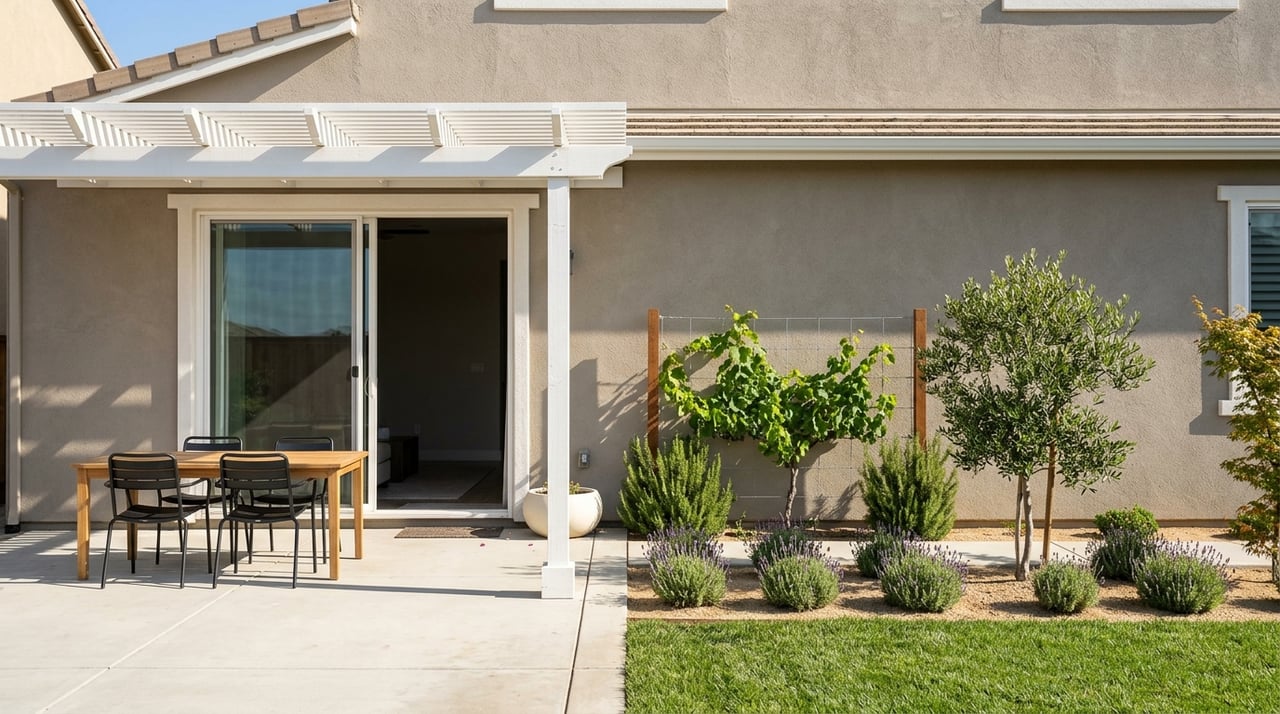
If you want Bay Area access without giving up open space, local events, and a true wine-country backdrop, Livermore is worth a closer look. For many buyers, the appeal is not just the vineyards. It is the way daily life blends small-city convenience with trails, downtown energy, and a more relaxed East Bay pace. This guide will show you what it’s really like to live in Livermore Wine Country, from the feel of different areas to housing, weekends, and commuting. Let’s dive in.
Livermore sits in the Tri-Valley about 35 miles east of San Francisco and is one of California’s oldest wine regions. The area includes 55 wineries with tasting rooms, which gives the city a strong wine-country identity without making it feel like a vacation-only destination. According to Visit Tri-Valley, the local winery scene is especially known for its personal, family-run hospitality style.
What stands out most is the balance. You have vineyards, tasting rooms, and scenic drives, but you also have everyday essentials like shopping, housing, community services, and commuter options. In practice, Livermore feels more like a wine-country suburb than a resort town.
The city has also invested in a downtown core designed for everyday use. According to the Downtown Specific Plan, downtown Livermore is planned as a pedestrian-friendly commercial and entertainment district with office and housing uses that support local businesses. That planning focus helps explain why the area feels active and functional, not just charming.
Residents seem to agree. In the city’s 2025 community survey, 95% of residents rated Livermore as an excellent or good place to live, 91% rated overall quality of life highly, and 87% said they were satisfied with both downtown vibrancy and access to paths and walking trails.
Downtown is the social and practical heart of the city. It is where you are most likely to feel the walkable side of Livermore, with local businesses, dining, entertainment, and year-round community events all close together.
If you picture your ideal routine including coffee runs, weekend browsing, seasonal events, and a more connected neighborhood feel, downtown may be one of the biggest draws. The city’s planning framework supports a mix of commercial, office, and housing uses, which helps keep the area active throughout the day.
The event calendar adds to that energy. Livermore Downtown lists a year-round Sunday Farmers Market, seasonal Thirsty Thursday gatherings in summer, and major community events like Downtown Street Fest, scheduled for May 16 to 17, 2026, with wine, craft beer, music, vendors, shopping, and family activities.
One of the biggest lifestyle perks in Livermore is that wine country is not reserved for special occasions. It is woven into local routines. You can spend a casual afternoon visiting tasting rooms, meeting friends at an event, or exploring the valley without planning a full getaway.
That said, winery outings here often go beyond simple tastings. According to Visit Tri-Valley’s local winery listings, venues such as McGrail Vineyards host live bands and pairing events, while Wente Family Vineyards combines tastings, dining, wine caves, and golf on a historic estate. That variety gives weekends a lot of flexibility, whether you want something low-key or more social.
The local wine scene also tends to feel approachable. Because many wineries are family-run, the atmosphere often feels personal and less formal than in some larger wine destinations. For many residents, that is part of the charm.
Livermore also offers plenty to do beyond wineries. If you enjoy getting outside, Sycamore Grove Park is a major local asset. The park spans 847 acres in south Livermore and includes hiking, biking, walking, and jogging trails, along with ranger programs.
Access to outdoor space is part of everyday life here, not just a once-in-a-while perk. In the city’s 2025 survey, 87% of residents said they were satisfied with access to paths and walking trails, which supports Livermore’s reputation as an active, outdoors-friendly community.
For households looking for a fuller mix of community amenities, Livermore also has regular public programming. The Livermore Public Library calendar includes storytimes, music and movement sessions, homework help, maker activities, and family programs. LARPD also notes that the city has seven dog parks, which is a nice plus if pets are part of your daily routine.
Livermore’s housing is still primarily single-family. City documents state that about 18% of the housing stock is multifamily, and the city’s historic context materials note the presence of thousands of ranch-style tract homes in postwar neighborhoods around downtown. In simple terms, that means you will find many established residential areas with more traditional suburban patterns and older home styles near the city center.
At the same time, housing options have expanded. Newer and planned developments have added more variety, including townhomes, duplexes, and apartments in more pedestrian-oriented settings. City development materials describe projects like Downtown Livermore Apartments, Isabel Crossing, and Brisa as part of that broader mix.
For buyers, this creates a range of choices depending on what matters most to you. Some areas may appeal more if you want an established neighborhood and closer access to downtown, while others may stand out if you prefer newer construction, planned community features, or easier regional commuting.
Livermore is not an entry-level market by most standards, but it can offer a different value equation than other parts of the inner Bay Area. Recent public market snapshots place the city in the low-$1 million range.
According to Redfin’s Livermore housing market data, the median sale price was $1.1825 million in February 2026. The research also notes that Zillow reported a median sale price of $1.10 million in February 2026 and Realtor.com reported $1.098 million, with differences tied mainly to methodology and timing.
The main takeaway is less about any single number and more about market positioning. If you are shopping in Livermore, you are generally looking at a market where single-family homes remain the dominant product, and where lifestyle factors like wine country, open space, downtown access, and commuter links all shape demand.
While every home search is specific, Livermore does have some broad location patterns. Central and downtown areas tend to skew older and more walkable, especially where historic and postwar development shaped the city’s core.
South and east Livermore often read differently. Based on the city’s open-space, planning, and development patterns, those areas tend to feel more open-space oriented or more closely tied to newer commuter-focused development. That can matter if you are comparing atmosphere, housing style, or access to transit connections.
This is one reason local guidance can help. Two homes with similar price points may offer very different day-to-day experiences depending on whether you value walkability, newer housing stock, trail access, or commuting convenience most.
Livermore offers stronger regional connections than some buyers expect from a wine-country setting. Wheels Route 10R links the Livermore Transit Center and the East Dublin/Pleasanton BART station every 20 minutes on weekdays and Saturdays, and every 40 minutes on Sundays. ACE also serves Livermore with direct train service to the Stockton-to-San Jose corridor.
That does not mean Livermore feels urban or transit-first. Day to day, it still reads as suburban and car-oriented. But for many buyers, the combination works well: you get vineyard scenery, a historic walkable core, and active weekends while staying connected to larger Bay Area job centers.
This balance is a big part of Livermore’s appeal. It offers a lifestyle that feels distinct from denser inner-Bay communities, while still supporting practical commuting needs for many households.
For the right buyer, Livermore checks several boxes at once. It combines a recognizable downtown, established neighborhoods, newer housing options, winery culture, open space, and meaningful regional access.
That mix can be hard to find elsewhere in the Bay Area. You are not choosing only between suburban convenience and lifestyle appeal. In Livermore, you can often get both in the same place.
If you are trying to decide whether Livermore fits your goals, it helps to look beyond just price or square footage. The bigger question is what kind of routine you want to build, and whether wine-country atmosphere, local events, trails, and East Bay access are part of that picture.
If you are thinking about buying or selling in Livermore, Evolve Real Estate can help you compare neighborhoods, weigh your options, and build a strategy that fits your goals with clear, local guidance.
Stay up to date on the latest real estate trends.
You’ve got questions and we can’t wait to answer them.