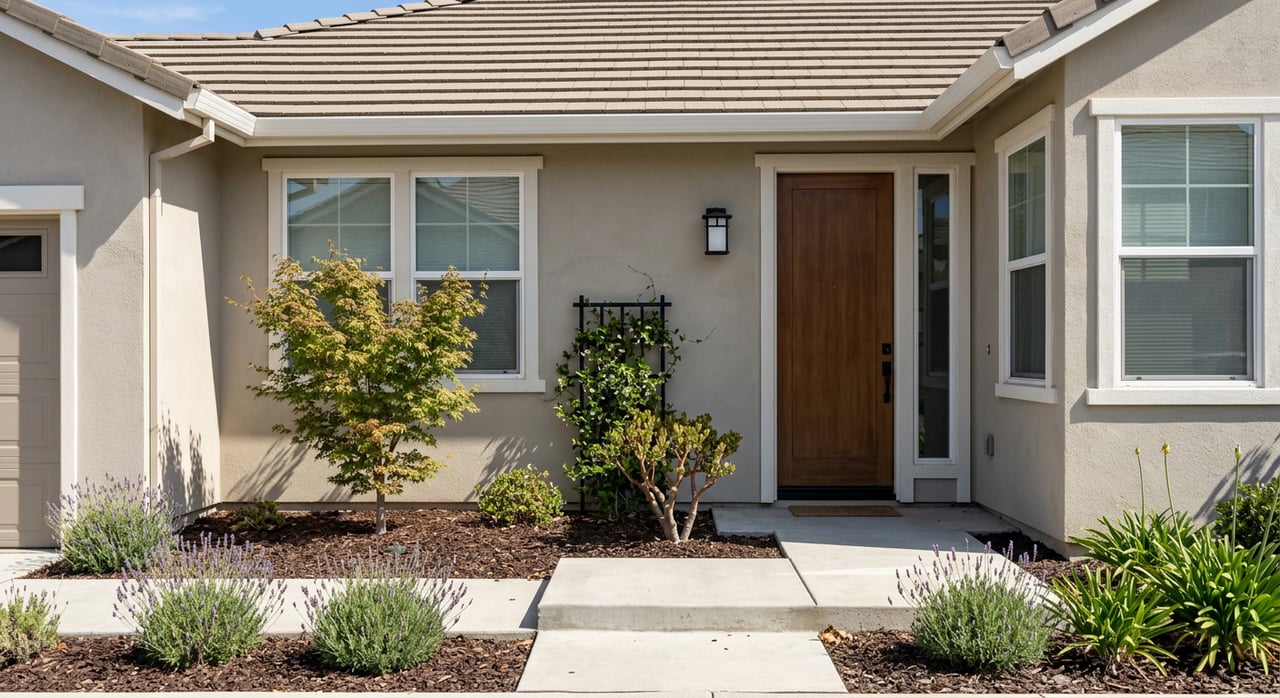
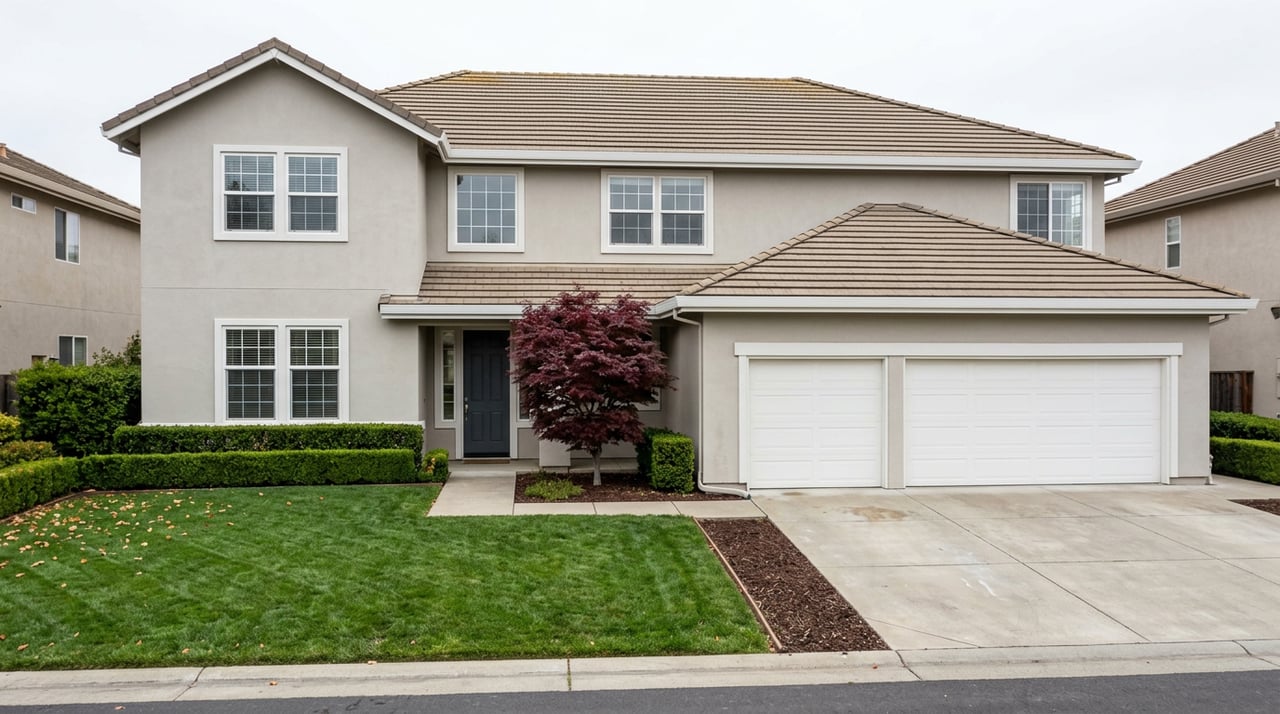
You want a smart way to plant roots in Dublin without spending every weekend on yard work or repairs. Condos and townhomes can be a practical first step into East Bay homeownership, especially if you value convenience, amenities, and transit access. In this guide, you will learn how pricing compares, what HOA dues usually cover, how financing works for these properties, and which documents to review so you can buy with confidence. Let’s dive in.
Why a Dublin condo or townhome
Condos and townhomes often sit below single-family prices in Dublin, which helps you lower the upfront cash needed to buy. Recent market snapshots place the city’s overall median around $1.25M to $1.3M, while many townhomes and condos sell closer to about $1.01M depending on neighborhood and features. Single-family homes typically land higher. For many first-time buyers and busy professionals, the value equation is lower maintenance plus strong East Bay location.
Prices and micro-markets to watch
Dublin is not one flat market. Micro-neighborhoods can change what you get for the price.
- West Dublin: Often the most budget-friendly pocket within the city. You will find established communities and many listings promoted as commuter convenient near BART.
- Dublin Ranch and Wallis Ranch: Master-planned areas with a mix of condos, townhomes, and single-family homes. Townhomes here often deliver more space per dollar and access to parks and community amenities.
- New-build vs. resale: Newer phases in planned communities can be priced differently than resales. Compare HOA dues, builder warranties, and included features before you decide.
Condo vs. townhome: key differences
- Condos: Usually stacked or apartment-style living. You are generally responsible for the interior, while the HOA covers exterior components, roofing, common systems, landscaping, and shared amenities like a pool or gym. Expect higher HOA dues when amenities are extensive.
- Townhomes: Attached, multi-level homes with a private entry, often with an attached garage. HOAs tend to handle common areas and may include some exterior items. Dues can be lower than large condo complexes, though amenities may be fewer.
If you want maximum walkability and easy BART access, many condo communities near West Dublin and central corridors may fit best. If you want more space for a home office or hobbies, townhomes in Dublin Ranch or Wallis Ranch can deliver more square footage and a private garage.
HOA dues: what they cover and how to budget
In Dublin, HOA dues for condos and townhomes commonly range from about $290 to $475 per month in sample listings, with exact amounts tied to amenities, age of the building, and what the association covers. Typical inclusions can be common-area maintenance, landscaping, community pools or gyms, management costs, reserve contributions, and sometimes water or trash.
When you compare a condo or townhome to a single-family home, run the full monthly total: mortgage, property taxes, HOA dues, insurance, and any utility or parking fees. A higher HOA might still pencil out if it replaces services you would otherwise pay for and saves time you value.
Financing and project eligibility
Condo financing depends on the building’s eligibility. Lenders review the project’s reserves, insurance, owner-occupancy, commercial space, and litigation history. If a project is non-warrantable, you may face fewer loan options or a higher down payment.
- Ask your lender early to run a condo project check using Fannie Mae’s Condo Project Manager so you know your options before you write an offer. You can learn more about the tool on Fannie Mae’s resource page for Condo Project Manager: Fannie Mae Condo Project Manager overview.
- If you plan to use FHA or VA financing, confirm the building appears on HUD’s approved list before you proceed. Search the database at the HUD FHA-approved condominium look-up.
If the project is not eligible for your preferred loan, ask your lender about alternatives and how a larger down payment would change your monthly costs.
Insurance checks that matter
Your HOA will carry a master policy for common areas and building elements. You will likely carry an HO-6 policy for your unit’s interior. Two items deserve close attention:
- Master policy limits and deductibles: Review the association’s insurance summary to understand coverage and major deductibles because these affect your HO-6 needs. The annual budget package must include this summary under California Civil Code. See the budget report and insurance disclosure rules in Civil Code §5300.
- Premium trends and assessment risk: Insurance costs have risen in many associations, which can pressure budgets or raise the chance of special assessments. Your review of reserves and board minutes helps you gauge that risk.
HOA documents and reserves: your must-have packet
California’s Davis–Stirling Act requires sellers to provide a package of HOA disclosures. These documents help you judge long-term costs and risk before you remove contingencies.
- Required HOA disclosures: See what must be delivered in Civil Code §4525. Associations must provide requested documents within 10 days and fees must be itemized, as outlined in Civil Code §4530.
- Budget and reserves: The annual budget report includes a reserve summary and an Assessment & Reserve Funding Disclosure Summary that shows the association’s percent funded and whether reserves are projected to be sufficient over 30 years. See Civil Code §5300 and the disclosure details in Civil Code §5570. Boards must prepare or update reserve studies at least every three years, with annual reviews, per Civil Code §5550.
Pull these items as soon as you enter escrow. If the packet is lengthy or complex, ask for a longer HOA review contingency.
Red flags to watch
- Low reserves or a disclosure that future reserves are not sufficient for the next 30 years. That can increase assessment risk. See Civil Code §5570.
- Repeated or imminent special assessments, especially for roofs, siding, or structural work. Reserve studies and meeting minutes will reference these. See reserve study duties in Civil Code §5550.
- Pending litigation or insurance coverage gaps. These can affect premiums, reserves, and lender eligibility. The required disclosures are outlined in Civil Code §4525.
- Large master-policy deductibles that could expose unit owners to significant costs. Insurance summaries are part of the budget package described in Civil Code §5300.
- Assessment limits and member approvals: Boards face limits on how much they can raise regular assessments or levy special assessments without owner votes. See Civil Code §5605.
Quick decision checklist
Use this fast, action-focused checklist to decide if a Dublin condo or townhome fits you now.
- Budget check: Compare total monthly cost, including HOA dues and HO-6 insurance, against single-family alternatives in your price range.
- HOA health screen: Read the reserve summary and the Assessment & Reserve Funding Disclosure Summary. If reserves are not projected to be sufficient, treat it as a high risk.
- Financing check: Have your lender verify project eligibility early through Fannie Mae’s system and, if needed, the FHA database. Plan for alternatives if the project is non-warrantable.
- Lifestyle fit: If you want walkability and BART convenience, focus on condos and amenity-rich townhome communities in West Dublin and central corridors. If you want more space, compare townhomes in Dublin Ranch and Wallis Ranch.
- Timeline plan: Request the HOA resale packet immediately, negotiate ample time to review, and confirm updated estoppel information just before closing.
What to do next
- Confirm current pricing in your target communities and compare monthly cost scenarios that include HOA dues.
- Ask your lender today to run a condo project check and confirm FHA or VA options if relevant.
- Order the HOA resale packet early and review reserves, minutes, insurance, and any planned projects before you remove contingencies.
- If documents are unclear, consider consulting a real estate attorney for guidance on reserves, litigation, or insurance language.
If you want step-by-step support, local insight on Dublin’s micro-markets, and an advocate who will protect your interests from offer through closing, reach out to Evolve Real Estate. Our team will help you compare options and move forward with confidence.
FAQs
What is a non-warrantable condo and why does it matter in Dublin?
- A non-warrantable condo does not meet certain project standards for conventional loans, which can limit financing choices or require larger down payments; ask your lender to check Fannie Mae’s requirements using the Condo Project Manager overview.
How do I verify if an HOA is FHA-approved before I write an offer?
Which HOA documents should California buyers review before removing contingencies?
Can an HOA raise dues or levy special assessments after I buy in Dublin?
- Yes, within limits. California law generally caps board-only increases and requires member approval above thresholds; see Civil Code §5605.
What do typical HOA dues cover for Dublin condos and townhomes?
- Dues often include common-area upkeep, landscaping, management, reserves, and shared amenities; the annual budget report must disclose insurance details per Civil Code §5300.